
Mental health care looks different for everyone. While traditional treatments like therapy and prescription medications play an important role, more patients are exploring medical cannabis as part of their mental health plan.
In Maryland, medical cannabis is approved for a range of qualifying conditions—including those related to chronic stress, anxiety, PTSD, and mood disorders. But before adding cannabis to your care routine, it’s important to talk openly with a licensed medical provider who understands both your health history and your treatment goals. Here’s what you should know—and the key questions to ask your provider—before deciding if medical cannabis could support your mental health journey.
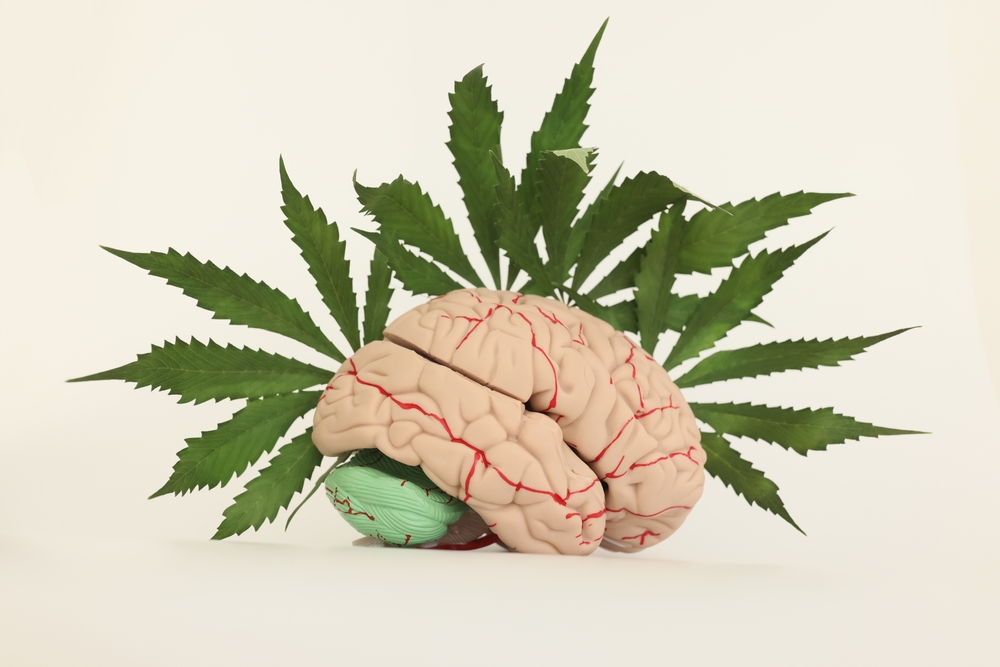
Understanding How Medical Cannabis May Affect Mental Health
Medical cannabis interacts with the body’s endocannabinoid system, which helps regulate mood, sleep, pain, and stress response. For some patients, cannabis can help promote calm, improve sleep, and ease anxiety symptoms. For others, it may not be the right fit—or may require careful monitoring to prevent unwanted side effects.
Some of the most common mental health-related benefits patients report include:
- Reduced anxiety or panic symptoms
- Improved mood stability
- Better sleep quality
- Lower stress levels
- Decreased reliance on certain prescription medications
However, responses vary widely. The effects of cannabis depend on factors like strain, dosage, cannabinoid ratio (THC vs. CBD), and your body’s unique chemistry. That’s why professional guidance is essential.
Questions to Ask Your Provider Before Starting Medical Cannabis
If you’re considering medical cannabis for your mental health plan, here are key questions to discuss with your provider during your consultation:
1. What Mental Health Conditions Can Cannabis Help With?
Not all mental health conditions respond the same way to cannabis. Research suggests it may be beneficial for PTSD, anxiety disorders, and depression related to chronic pain or stress—but it’s not a cure-all.
Ask your provider whether your specific symptoms or diagnosis make you a good candidate. For example, patients with bipolar disorder or schizophrenia may need to use extreme caution or avoid high-THC strains altogether.
2. Which Cannabinoids or Strains Are Best for My Needs?
Cannabis contains over 100 cannabinoids, but the two most studied are THC (tetrahydrocannabinol) and CBD (cannabidiol).
- THC is psychoactive and can provide relaxation and euphoria—but at high levels, it can also cause anxiety or paranoia in some individuals.
- CBD is non-psychoactive and often helps reduce anxiety, inflammation, and stress.
Ask your provider which ratios or products (such as high-CBD, low-THC formulas) might offer the best results for your specific mental health goals.
3. How Should I Use It Safely and Effectively?
Your provider can recommend dosage, delivery method, and timing to help you experience the benefits while minimizing potential side effects.
Common options include:
- Tinctures for precise dosing
- Capsules or edibles for long-lasting effects
- Vaporized forms for fast relief (when recommended)
Always start low and go slow—your provider can guide you in adjusting your dose over time.
4. Will Cannabis Interact with My Current Medications?
This is one of the most important questions to ask. Cannabis can interact with certain antidepressants, anti-anxiety medications, and mood stabilizers, potentially affecting their effectiveness or metabolism.
Your provider will review your current prescriptions to ensure it’s safe to incorporate medical cannabis into your regimen. Never stop taking prescribed medication without professional guidance.
5. How Will We Track My Progress?
Successful mental health treatment involves ongoing monitoring. Ask your provider how they plan to evaluate whether cannabis is helping your symptoms.
This may include:
- Regular check-ins to discuss how you feel
- Adjusting dosage or product type based on results
- Keeping a symptom journal to note changes in mood, anxiety, or sleep
A data-driven approach ensures your treatment remains balanced and effective over time.
6. What Should I Do If I Experience Negative Effects?
Some patients may experience side effects such as drowsiness, dry mouth, or temporary anxiety—especially when starting or adjusting doses.
Your provider can teach you how to recognize early warning signs and what steps to take, such as lowering dosage, changing strain types, or switching to CBD-dominant products.
Talk to a Provider Who Cares
If you’ve been considering medical cannabis as part of your mental health treatment, the first step is to start the conversation with a knowledgeable professional.
At CannaLeaf Health, we offer discreet, compassionate, and same-day medical cannabis evaluations. We will help you determine whether cannabis is right for you and guide you every step of the way. Schedule your appointment today!
