
The use of cannabis for medical purposes is far from a modern phenomenon. Tracing back thousands of years, the history of medical cannabis is rich with diverse cultural contexts and evolving legal frameworks. Understanding this history provides valuable insight into its contemporary applications and the growing acceptance of cannabis as a legitimate medical treatment.
Ancient Beginnings
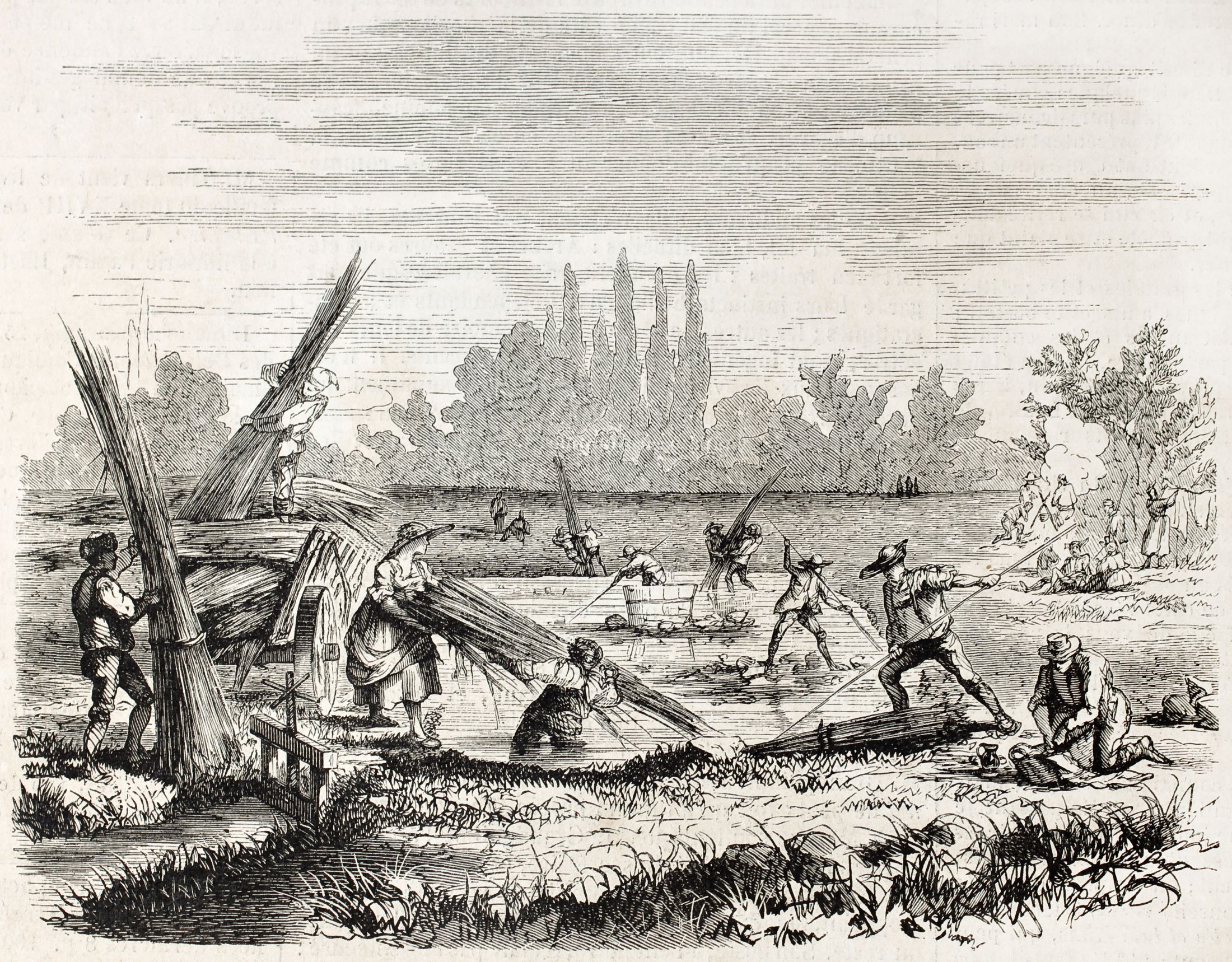
Cannabis has been utilized for its medicinal properties since ancient times. Archaeological evidence suggests that as early as 2737 BCE, Chinese Emperor Shen Nung was documenting the therapeutic benefits of cannabis. He noted its efficacy in treating ailments such as rheumatism and gout. Similarly, ancient Egyptian texts from around 1550 BCE mention cannabis as a treatment for inflammation and glaucoma.
In India, cannabis, known as “bhang,” has been integrated into Ayurvedic medicine for centuries, used to alleviate pain, insomnia, and gastrointestinal disorders. The Greek physician Galen and the Roman naturalist Pliny the Elder also recorded the use of cannabis in treating a variety of medical conditions.
Middle Ages to Early Modern Period
During the Middle Ages, the use of cannabis for medicinal purposes continued across the Islamic world, where it was employed for its analgesic and anti-inflammatory properties. European medical texts from the 9th to the 18th centuries also make references to cannabis. In the 16th century, English herbalist John Gerard recommended cannabis for the treatment of joint pain and inflammation.
The 19th and Early 20th Century
The medical application of cannabis saw a resurgence in the 19th century, particularly in Western medicine. Irish physician William Brooke O’Shaughnessy, working in India, introduced cannabis to Western medicine in the 1830s. His studies highlighted its effectiveness in treating muscle spasms, rheumatism, and epilepsy.
By the late 19th and early 20th centuries, cannabis tinctures and extracts were commonly available in pharmacies throughout the United States and Europe. However, the growing recreational use of cannabis led to increased regulation and eventual prohibition in many parts of the world.
Prohibition and Rediscovery
The early to mid-20th century marked a period of strict regulation and prohibition of cannabis. The 1937 Marihuana Tax Act in the United States, followed by the Controlled Substances Act of 1970, categorized cannabis as a Schedule I drug, indicating a high potential for abuse and no accepted medical use. Similar laws were enacted worldwide.
Despite these restrictions, scientific research into the medical potential of cannabis continued. The discovery of the endocannabinoid system in the 1990s by researchers such as Raphael Mechoulam reignited interest in cannabis as a therapeutic agent. This system, composed of receptors throughout the body, plays a crucial role in regulating various physiological processes.
Modern Era and Legalization
The modern era of medical cannabis began in the 1990s with the legalization of medical cannabis in California under Proposition 215. This marked the first time in recent history that cannabis was legally recognized for its medical benefits in the United States. Since then, numerous states, including Maryland, and countries have followed suit, enacting laws to allow the medical use of cannabis.
Get Help from a Medical Cannabis Expert
The history of medical cannabis is a testament to its enduring significance as a therapeutic tool. From ancient civilizations to modern medicine, cannabis has continually proven its value in alleviating human suffering. If you’re interested in learning more about the medicinal properties of cannabis, reach out to us at CannaLeaf Health.
